Many teens that use social media can relate to the trending phenomenon known as doomscrolling. Most people know the constant addiction to swiping on a screen is unhealthy, but what are the real effects of doom scrolling, and how can you put an end to it?
Constantly scrolling through bite sized forms of entertainment can be damaging to your attention span which causes a need to seek immediate dopamine from your brain in every task you do.
The idea of social media addiction is not a new concept to the modern world, in fact, many people have read essays on the topic. However, the topic of doomscrolling has become a growing problem along with the rise of “short form content” such as Tiktok.
According to a 2018 study of over 10,000 teens, researchers found a risk of mental health issues related to three hours of social media use a day, including anxiety and depression. Another study done by NHIS states over half of the teenagers were reported to have a screen time of over four hours.
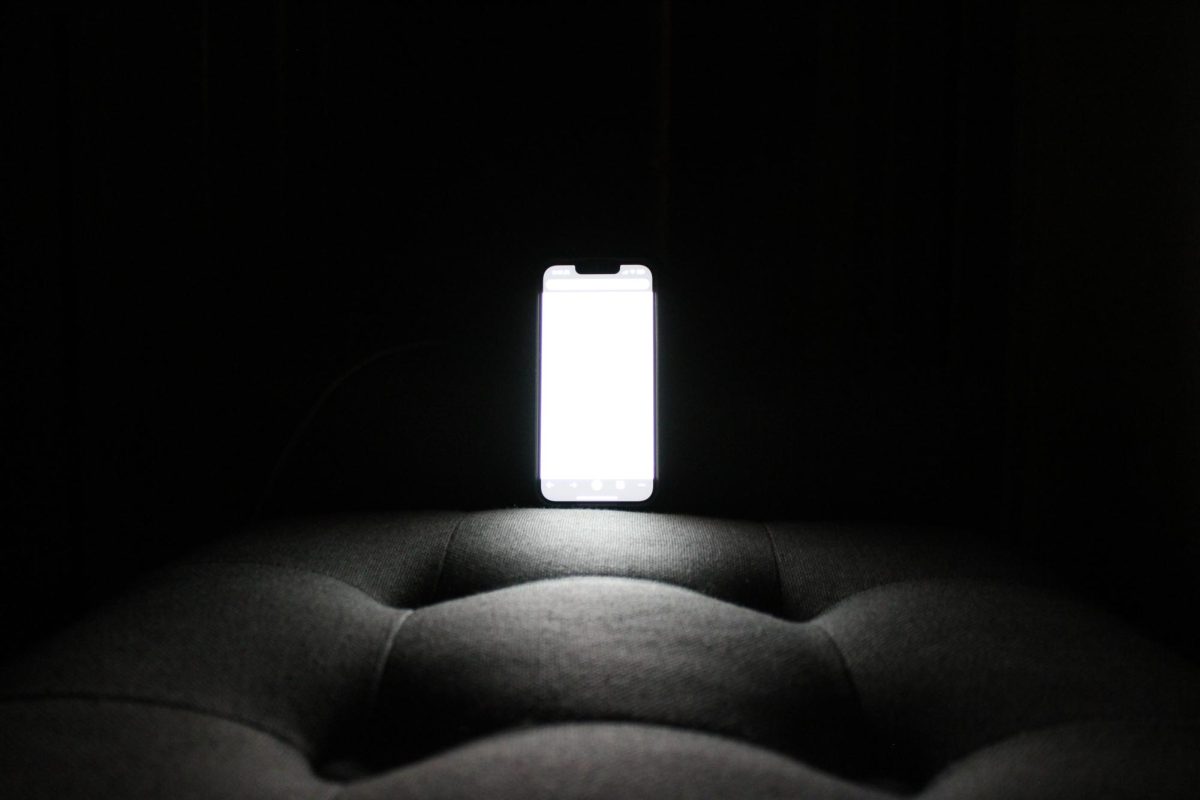
There are also many other health effects of doomscrolling such as blue light exposure at night, something which can be detrimental to your sleep schedule. The blue light that comes from your phone can act as a stimulus for your brain and cause confusion with your circadian rhythm, your body’s way of discerning night from day according to Nebraska medicine.
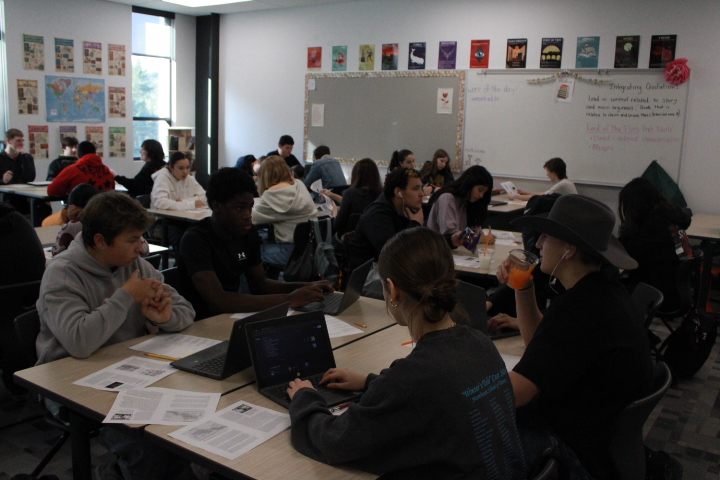
Not getting dopamine in a certain amount of time from scrolling makes it hard to stay focused on whichever task you’re doing, needless to say, this can be a problem for teenagers in a school environment as students may get off task or distracted too easily.
Schools in certain states such as Texas, for example, have been seen taking steps to try to prevent phone and social media use from becoming a distraction and taking away from work. Under the new law, Texas House Bill 451, students are not permitted to use their phones on school grounds during the day.
Popcorn brain, known to correlate with the excessive use of social media, is another condition known to affect individuals in middle school to high school demographic. Popcorn brain describes someone with the inability to focus on tasks as a result of the urge to check their social media. Someone affected by Popcorn Brain, may experience symptoms such as the inability to sit with one task and a significantly reduced attention span. It is important to note this condition is not recognized by either the American Psychological or Psychiatric Association.
So, with all of this information in mind, how can you put an end to doomscrolling? Putting a complete end to doomscrolling, like any addiction, is no easy task. However, there are ways you can work towards it.
Opting out of frequent app notifications or putting your phone on silent mode can put the urge of wanting to check your social media notifications at bay. To try to prevent doomscrolling at night, don’t go to sleep in the same room as your phone. This can prevent the urge to doomscroll into the night.You can also do this while studying or doing homework, you can and consistently working this into your schedule will help prevent distraction through social media.
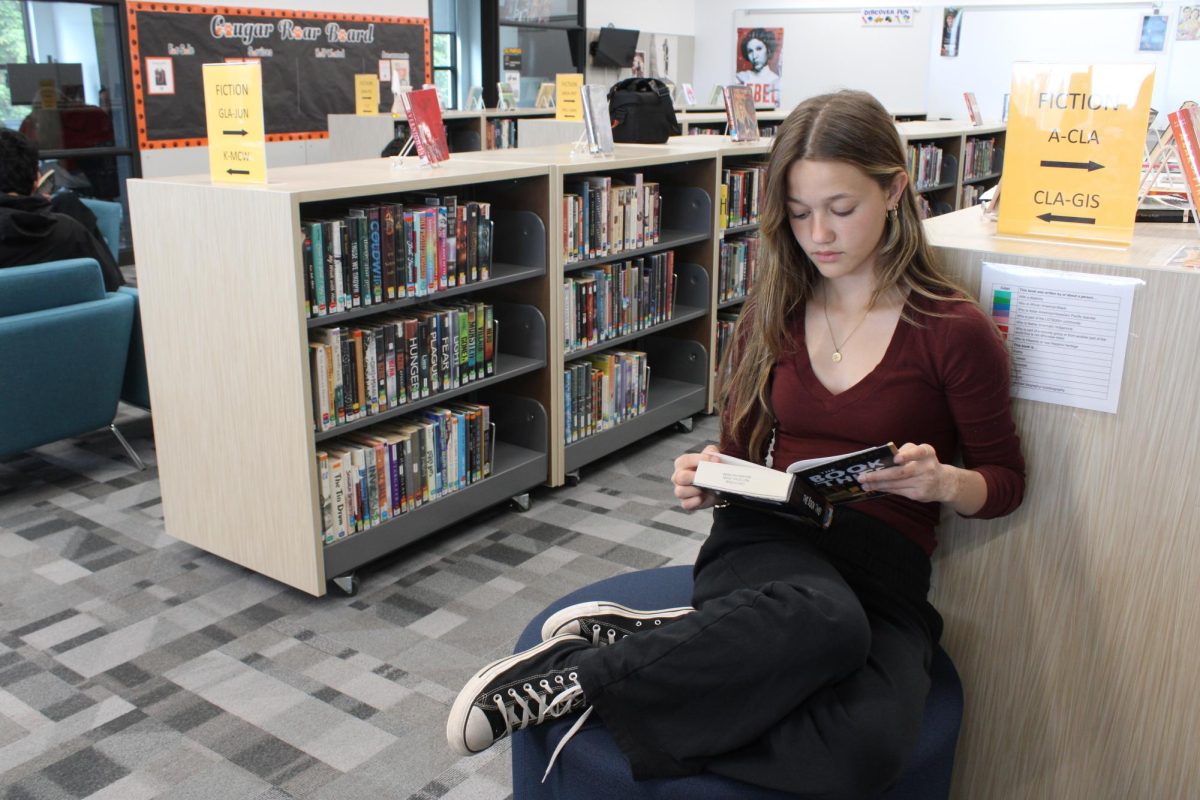
Identifying when you doomscroll the most and replacing the habit with something like a hobby or study time can also reduce screen time. For example, if you find yourself frequently doomscrolling in the bed, limit the amount of time you spend with your phone in the bed.
Consistently implementing these practices on a daily basis can help you be a more productive student, more active, and more engaged in your life.