
According to HelpGuide.org, burnout is a state of physical, emotional, and mental exhaustion caused by stress. This can include little to no motivation, apathy, less than adequate work, and even depression or anxiety. A pivotal role in burnout has been commonly known as school, relationships, and social media pressures.
According to Psychology Today, burnout is not simply a result of working long hours or juggling too many tasks, though those can play a role. The cynicism, depression, and lethargy characteristic of burnout most often occur when a person is not in control of how a task is carried out, at work or at home, or is asked to take on responsibilities that conflict with their sense of self.
Another symptom of burnout is the “flat affect,” or as The American Psychological Association defines it as, “total or near absence of appropriate emotional responses to situations and events.” Flat affect is commonly associated with apathy or depression, other symptoms of emotional burnout.
Many may conclude that the cause of burnout entirely is prolonged, unmanaged stress, but the true cause is a wide variety of components. School load stress, working to earn, and relationship problems are commonly blamed, but there is no one answer. Burnout can affect anybody, whether it’s due to one thing or another; stress looks different for everybody.
According to Psychology Today, if stress is short-lived or tied to a specific goal or event, it is most likely not going to be especially harmful. Burnout, however, is an extended period of stress that feels as though it cannot be ameliorated. When stress feels never-ending and comes with feelings of emptiness, apathy, and hopelessness, it could be indicative of burnout.
The 42% rule is research that shows individuals struggling with burnout should dedicate 42% of their time (or about 10 to 11 hours) to non-stress related things such as sleeping, resting, and recovering.
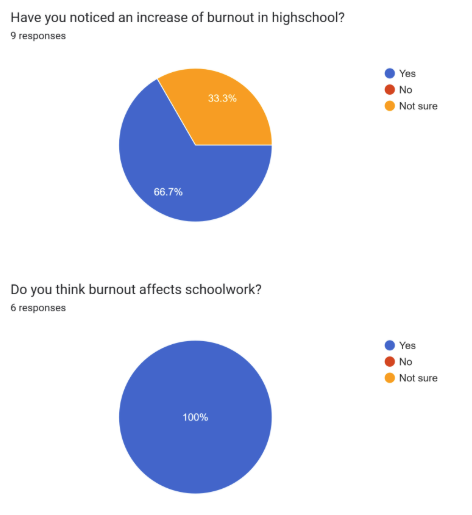
In a survey sent to Central Kitsap High School students, 66.7% of nine responders said they have noticed a significant increase of burnout in high school, and 100% of those said that they noticed a negative impact on schoolwork because of it.
While schoolwork and environment are connected with burnout, it is important to consider all aspects of life, as not all teens experience burnout directly though school. Burnout is widely considered just another symptom of depression, but it roots deeper than that, including anxiety and self image issues, whether physical or academic. If you notice loved ones around you struggling with burnout, make sure to let them know they are supported.