
In 2024, concert ticket fees for the top 100 tours attained an all-time high of $135.92 per ticket, according to monitor Pollstar. A key factor in rising expenses is the implementation of variable costs driven by supply and demand, industry competitors, and consumer trends. This market approach, typically referred to as “dynamic pricing” or “surge pricing,” has been adopted by the live music industry since its introduction by Ticketmaster in 2012.
Key industries that utilize dynamic pricing are those that provide an amenity, such as ride-sharing services, hospitality, and airlines. Typically, resources supplied by these industries are limited at certain times, causing prices to drop and rise with the presence of demand.
However, concert seating tickets are not limited by supply, and their demand is overwhelmingly high to the point where customers must wait in queues just to purchase them. This is a persistent problem within the infrastructure at Ticketmaster, especially because it doesn’t have competitors to challenge its prices.
Dynamic pricing isn’t at all necessary for businesses within the ticket-selling industry to thrive, nor is the latter underfunded. It certainly isn’t used by all ticket sellers, but none compare to a major ticketing manufacturer, which is virtually untouched by any competition.
Numerous consumers voice opinions about feeling rushed to purchase tickets, and don’t fully perceive dynamic pricing as a transparent means of ticket sales. The prices can skyrocket or dip at any moment, making the pricing unclear and unpredictable in some cases.
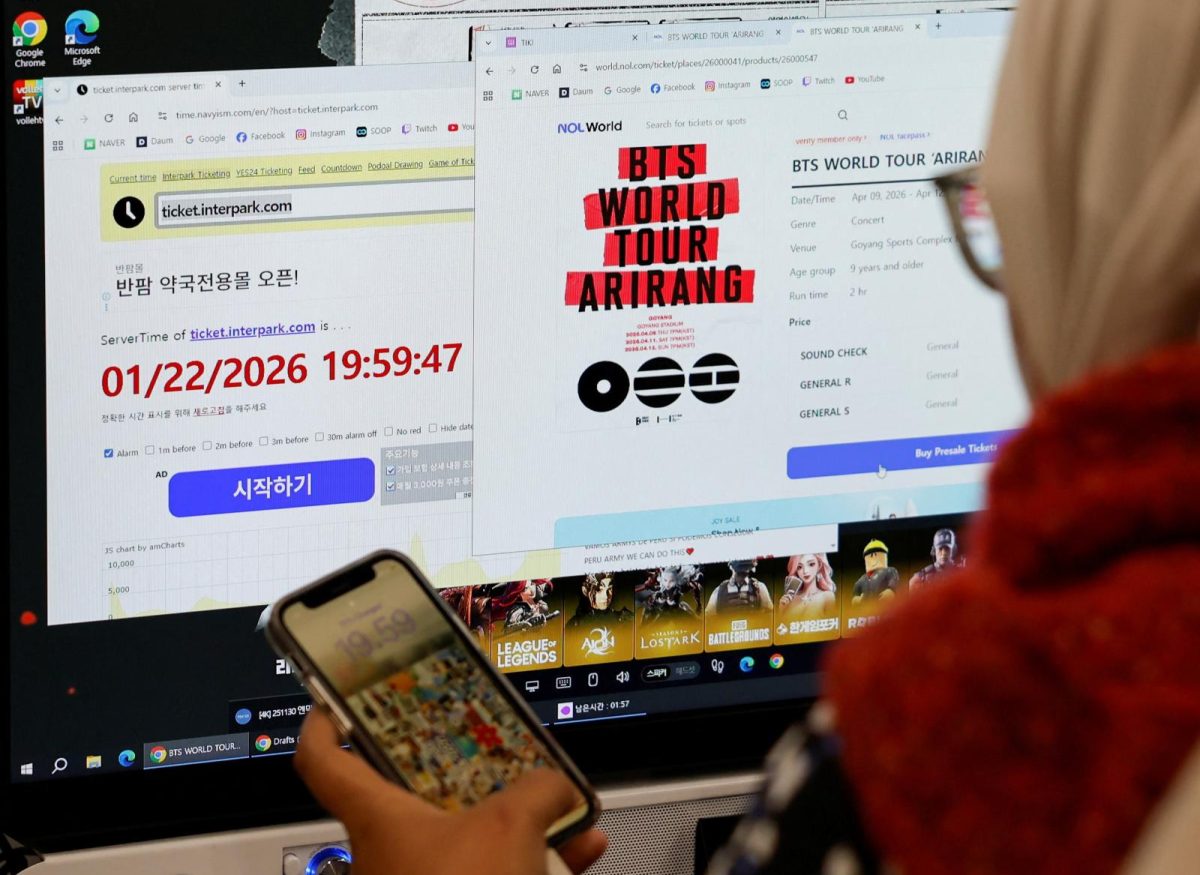
Customers have experienced long waiting queues, crashes on the website, and prices unexpectedly multiplying due to additional fees added onto checkout. They’ve reported mass quantities of tickets being sold out by bots and resellers, causing perceived excessive fees to inflate even further.
This was heavily prevalent in 2022 because of Taylor Swift’s Eras Tour. Fans experienced issues with Ticketmaster’s website, and harsh backlash pressured the company to use a lottery system for highly sought-after concerts.
Because of this, some question the legality of this method, which can only be presented as a problem when customers aren’t provided many other options. Ticketmaster extends across nearly 80% of high-selling concert venues in the U.S., which brings the question of whether the company is monopolizing the industry.
Widespread concern and accusations have been circulating about the business’s ethics, particularly in the media. The scrutiny has resulted in lawsuits based on consumer protection law violations, and artists have boycotted Ticketmaster or refused to use surge pricing, despite the practice yielding increased profits.
The business also used collusion in order to dominate the industry further. Collusion is when two companies competing within the same industry merge to attain a platform dominating the entire trade. It paired with Live Nation in January 2010, immediately facing accusations of a potential monopoly.
Ticketmaster is defined as a “natural monopoly,” which means it shadowed competitors due to being virtually unregulated and providing a large-scale supply of services. Cons regarding natural monopolies include poor customer service, inflated startup costs, and fewer options.
Ever since the pandemic, in which live-event admission demand steeply dropped, an onslaught of artists have gained millions of fans, especially credited to social media. People have been more likely to feel pressured into purchasing tickets, causing “funflation,” a term economists coined to describe an increase in entertainment expenditures.
In order to combat this, some people are withdrawing from buying tickets entirely or are limiting themselves to bucket list shows. Few artists with large followings have felt it necessary to omit surge pricing, or to remove themselves from Ticketmaster altogether.
In the end, consumers must realize that they, themselves, are the ones purchasing from such a brutish dominion. It is all within themselves to refrain from being swayed by the capitalistic notions that society tends to glorify. It’s demand that drove such prices up the wall and to an unfathomable degree, and also an unsympathetic, vampiric duopoly’s trade.
Additionally, no one is required to spend $200 on a solitary admission fee. Numerous venues, clubs, and pubs nearby host local bands for prices within the entry fee range of $10-20. It’s vastly preferable by the public to fund a company that is known to exploit and rift the most vital piece of its business, its customers.