
Throughout the years of education, book banning has been regarded as a controversial topic. According to The Harvard Guides Library, 4,240 unique titles were challenged in 2023, the highest number in comparison to the previous years. Some of the most common reasons for these challenges are claims of sexually explicit imagery, drugs, LGBTQ+ themes, and more.
One author who is known for many of his works being censored is best-selling author Stephen King. According to PBS, citing a PEN report, over 80 of his works have been censored or banned over 200 times in American public schools.
“When we start telling people what they can or cannot read, we start taking that power away from them and we’re doing them a disservice,” librarian Dawn Adams said. “My hope is that students would have access to everything and they [those] have conversations with their families.
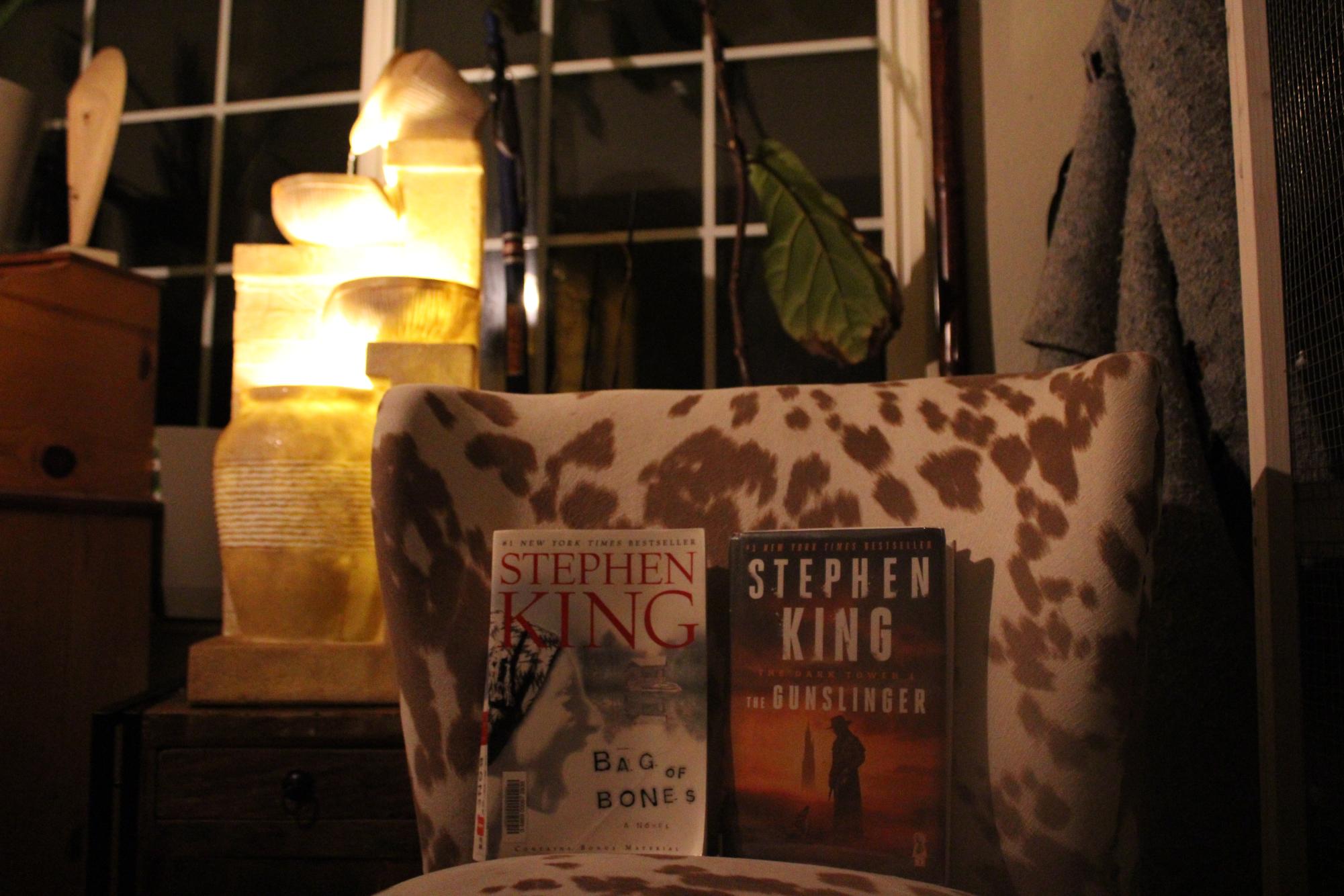
Topics presented in books that have been previously banned or challenged in school districts contain themes that parents or guardians may deem inappropriate for their children. Some teachers encourage students to read and become educated about banned books.
“I want you to value what you have with your family and do what you need to do in that way, but don’t take that opportunity away from other people,” Adams said.
Historically, the censorship of books has been prominent in America before it was even a country. In 1650, Massachusetts Bay colonialist William Pynchon published “The Meritorious Price of Our Redemption,” a pamphlet claiming that anyone who is Christian and obedient to God can go to heaven. Pynchon’s fellow colonialists, who were Puritan Calvinists, denounced him and banned it and became what is now known as the first event of book banning in modern day America National Geographic.
Books are often seen as an important form of art and expression that authors utilize to voice their opinions. Some authors convey these feelings in ways that may be offensive or obscene to people. This takes the form of book banning and censoring by school officials and parents.
“I think a lot of books that have been banned have value to them, not just because they have been banned, but are masterpieces in literature or relevant to [the] society they were written in,” advanced English teacher Zach Timm said.
This is the case for various genres of literature that get introduced into school libraries, as sometimes authors have different ways of displaying their commentary on certain themes that they feel passionately about. The issue that is common with challengers is how explicit and how much realism the author chooses to include when highlighting such topics.
“Oftentimes books that are challenged or banned have controversy because they comment on some aspect of society that some people just don’t appreciate, but that doesn’t mean the perspective isn’t valuable,” Timm said.
The authors who write banned books hold personal views just as an author with an unbanned book would, and silencing the ability for authors to communicate their opinions is what some people at CKHS don’t stand for.
“We have to think about the ways that different communities receive different books, and that’s okay, because the point is to see yourself in literature,” English teacher Kendra Richards said. “And because we are so diverse; as a country, as a state, as a county, the books that represent people look different.”