On April 24, St. Michael’s Pediatric Rehabilitation Center officially closed its doors, sending around 250 children and their families to search for other services within the area. Prior to the closure, this facility supplied a selection of services for kids with disabilities, including both physical and speech therapy.
For mothers Noelle Pacl and Brandy Robblee, the pediatric center provided care for their children for many years. According to Pacl, because of the support her son received, he continues to walk at the age of 18, while statistically children with the same degenerative disease at his age cannot. Most kids within the center rely on consistent care to avoid regression, so hearing about the closure, Robblee explained their family were at a loss for what to do.
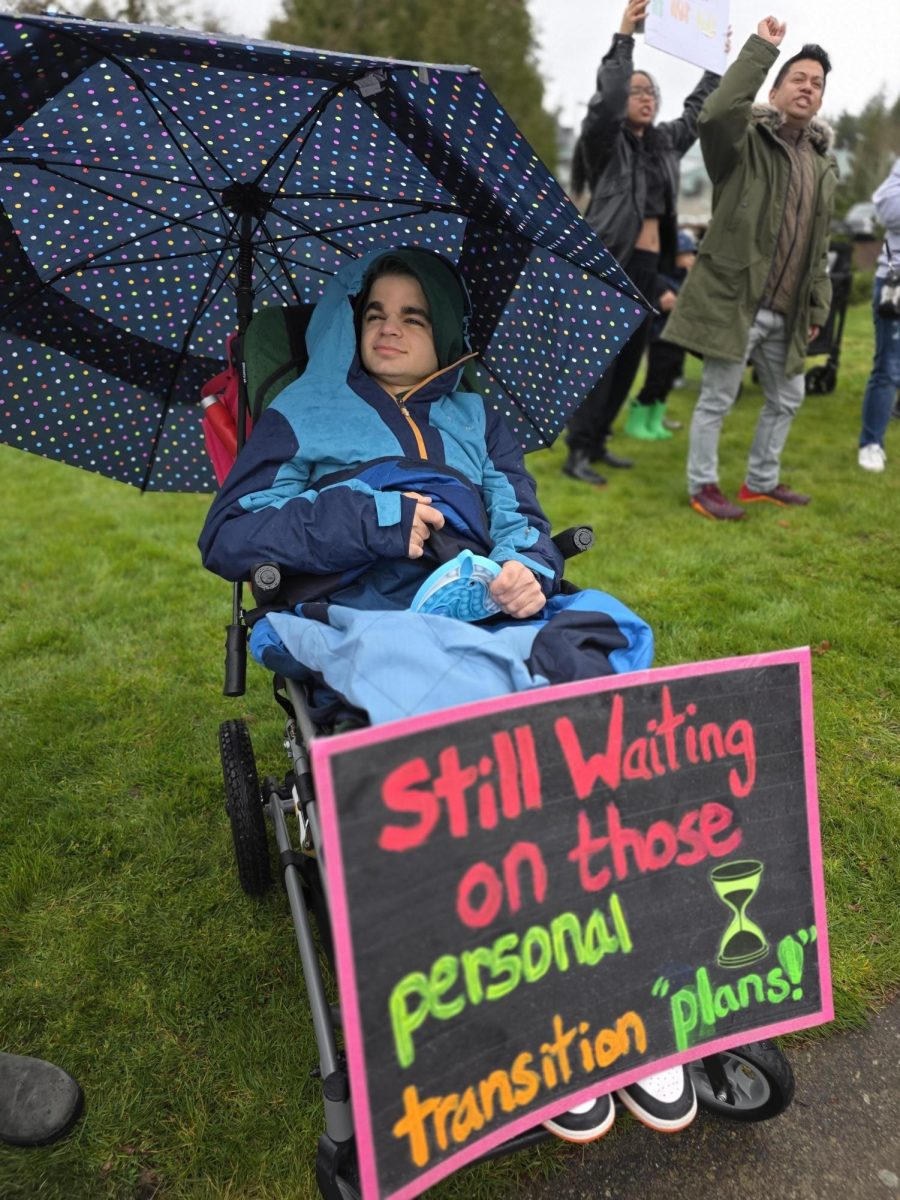
Once families were notified roughly a month and a half before the closure, the hospital President Chad Melton, reported on by the Kitsap Sun, explained patients would receive personalized plans to help transfer them to a new care facility. However, according to Pacl and Robblee, this did not happen. Instead, they say families received a list of providers in Silverdale, Poulsbo, Gig Harbor, Seattle, and Tacoma.
“…My opinion is they weren’t even going to do that,” Pacl said. “…They’ve slowly been closing physical therapy clinics across the region. If you go back and you look at the articles they put out about closing these clinics, there’s a lot of Kitsap Sun articles about it. It’s the same wording, ‘We’re giving everyone an individualized transition plan, helping them have a smooth transition.’ I actually talked with some people from the adult physical therapy clinic here that closed in 2024, and they didn’t even give them a list. They didn’t do anything for them. They never planned on us making a big deal out of this. So when we did, they had to give statements, basically they lied.”
Described by Melton in an article written by Kitsap Daily News, he estimates around 70% of patients at St. Michael Medical Center are enrolled on either Medicare or Medicaid, a type of insurance that is not taken at all care centers. On top of the financial aspect, most hospital patients might end up having month-long waitlists, meaning most children will experience time without care. For Robblee’s daughter, this meant missing weeks of therapy after a spinal fusion surgery last August, with her first appointment at a new hospital scheduled for May 22.
“She’s already been having major back pain,” Robblee said. “She’s not even able to sit in school for a full day. It’s horrible to watch your daughter decline. …Not every kid will decline that fast, but unfortunately, my daughter has. It’s been hard to even get her to her evaluations, because I’m a single mom, I have four kids and a grandbaby that I support. So, the time it takes to get all the way out to Gig Harbor means even more missed school on top of her missed school because of her pain levels. And then the gas and the financial side is such a heavy weight.”
While Robblee’s insurance company says they aren’t able to help financially, she explained they did reach out to clinics to find care closer to her, also offering telehealth services for her daughter. However, because of her daughter’s condition, she said virtual appointments do not help. For Pacl, her 18 year old son was able to transfer to adult care at Kitsap Physical Therapy in Bremerton, where they’re able to start without being on a waitlist.
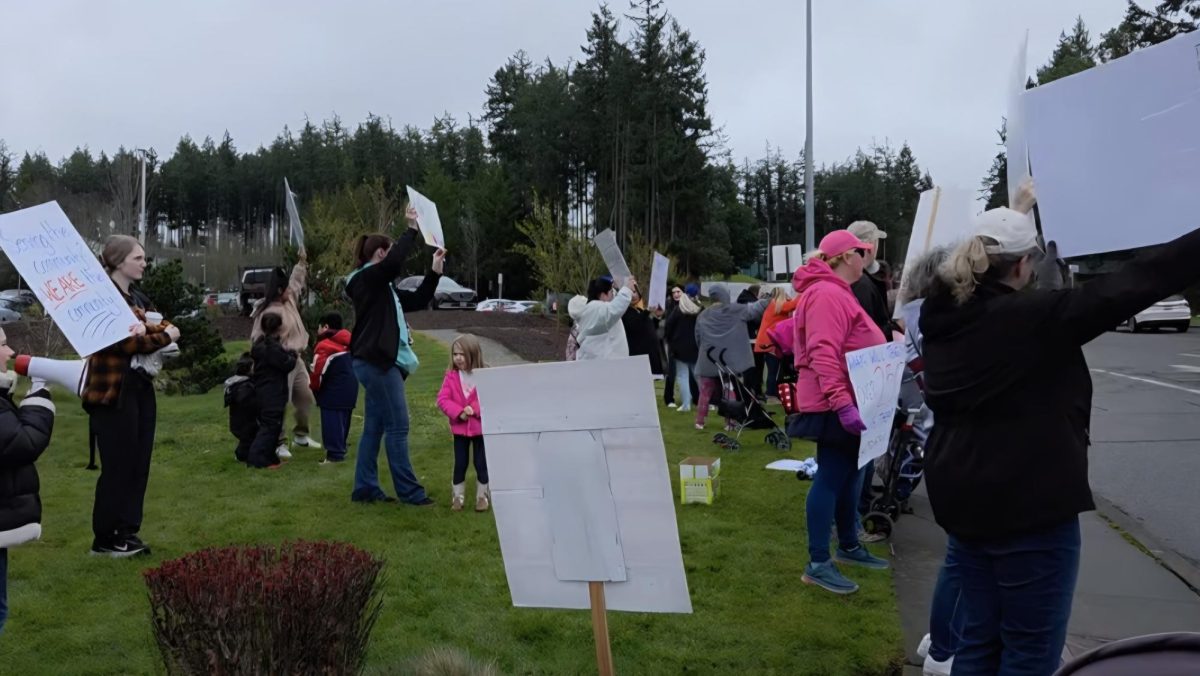
Both Pacl and Robblee, after going through the process of transferring hospitals, agree little effort was made to communicate with patients about the closure of the facility. Specifically, Pacl explained “they never ever had their patients’ care in mind,” as she believes the situation “comes down to money, and how much of a profit they can make.”
“My thoughts were they are more concerned about their bottom line than what happened to our kids,” Robblee said. “…What kind of community did [they] consider? Because in a letter it says they considered the best of the community. So what community did [they] consider? Because our kids are part of the community too. Our families are very much a part of this community.”